36. Honey Extraction Methods- Small-Scale :
- Kanna Das
- Sep 8
- 3 min read

Updated: 7 days ago
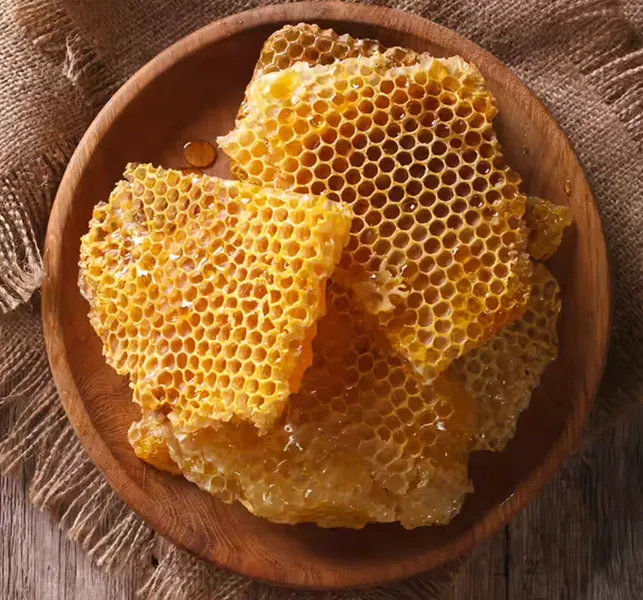
Honey Extraction Methods - Small Scale.
1. Crush and Strain Method
This is the most accessible and affordable technique for beginners, especially those using top-bar or Kenyan hives:
• Cut the comb from the frame or top bar.
• Crush it gently using a potato masher or hands (with gloves).
• Place the crushed comb into a strainer or fine mesh over a bucket.
• Let it drain for 24–48 hours at room temperature.
This approach yields raw, unfiltered honey and leaves behind wax that can be used for candles or balms. This may be easy for the beekeeper but tough for the bees, as they need to rebuild their comb.
2. Use of a Manual Honey Extractor
If using Langstroth hives, a manual centrifugal extractor can be a worthwhile investment.
• Remove fully capped frames. At least 90% of the frame should be capped. If not, leave it in the hive.
• Uncap the cells with a heated knife or uncapping fork.
• Place the frames in the extractor and spin to extract honey.
• Strain and bottle the honey.
This approach preserves the comb, allowing bees to refill it quickly, which saves them energy.
If you have only two hives, this investment may not be worth it. Some local bee clubs rent extractors to members, making it cost-effective. I think all bee clubs should have it. Our club lends it out free to members.


3. Cut Comb Honey
Another low-effort method is to cut out squares of comb honey directly from the frame:
• Ensure the comb is clean, well-capped, and free of brood.
• Cut with a sharp knife or food-grade cutter and store in containers.
• This honey is raw, wax-filled, and highly valued for its natural form.

Allow the bees to clean up the frames
Allow the bees to clean up the frames after harvest. The key is to do it in a way that prevents robbing behaviour, which can damage combs and stress colonies.
Here are the common methods to allow bees to clean frames without damaging the comb structure:
Directly on the Hive (Best Method for Comb Preservation):
Method: This is the safest and most recommended way to let your bees clean their frames. After extracting honey, stack the "wet supers" directly back onto the hive from which they came. Place them either on top of the inner cover (if you have an upper entrance or ventilation) or, more commonly, directly on top of the remaining honey supers or brood boxes.
Why it works: The bees recognise their scent and honey, and they will calmly move the residual honey down into their lower brood or honey boxes. Since it's within their hive, there's no frantic robbing behaviour or comb destruction. They'll also repair any minor damage to the comb during the process.
Duration: Leave them on for a few days to a week. Once the frames appear dry (no sticky residue), remove them for storage.
Leaving the frames outside for bees to clean up is risky and is not recommended. It encourages robbing by bees in the area and damages the structure of the comb.
Handling and Hygiene
Regardless of the method, ensure all equipment and hands are clean and food-safe. Avoid harvesting when bees are agitated or during rainy, humid weather, as moisture can affect honey quality. It is better to harvest in the sunny middle of the day, as most foragers are out, and you have fewer bees to worry about.


Comments