63. Creating a Bee-Friendly Garden :

Updated: Feb 5

Bees play a critical role in the environment by pollinating flowers, fruits, and vegetables. In fact, about one-third of the food we eat depends on pollinators like honeybees. However, bee populations around the world are under threat due to habitat loss, pesticide use, and climate change. As a gardener, even with a small backyard or balcony, you can make a meaningful difference by creating a bee-friendly garden. It gives bees the basic food and water sources while helping your garden flourish through improved pollination.
Why Create a Bee-Friendly Garden?
By designing a space that welcomes bees, you not only help support these essential pollinators but also create a more vibrant and productive garden.
Bees rely on a continuous source of nectar and pollen throughout the growing season. A bee-friendly garden helps offset the increasing lack of wild forage, especially in urban or heavily farmed areas. Moreover, having pollinators nearby can boost your yield if you’re growing fruit trees, vegetables, or herbs. It's a win-win for bees and gardeners alike.
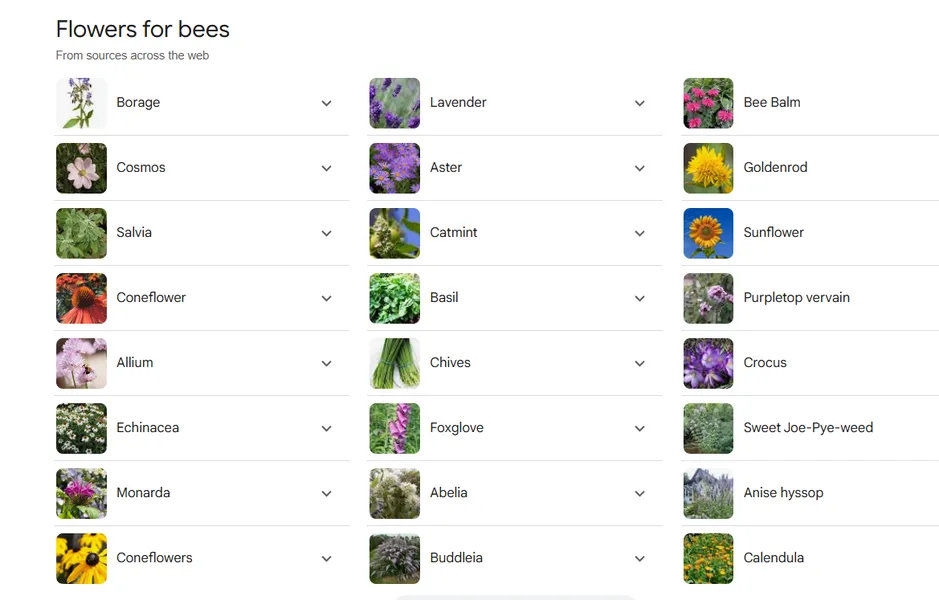
Choosing Bee-Friendly Flowers and Planting Tips
When planting for bees, variety and timing matter. Choose flowers with open, single blooms (not double varieties), which provide easy access to nectar and pollen. Some excellent options include Lavender, Sunflowers, Echinacea (coneflower), Borage, Marigolds, Thyme and other herbs, Native wildflowers.
To provide food across the seasons, plant a mix of early-spring, summer, and autumn-flowering species. Avoid using chemical pesticides and herbicides, especially during flowering periods. Whenever possible, opt for native plants, as local bees are naturally adapted to them.
Let Your Lawn Bloom Naturally
One simple step that has a big impact is to mow your lawn less frequently. Allowing plants like dandelions, clover, and other flowering “weeds” to bloom provides valuable early-season forage, especially when not much else is flowering. Though dandelions are often considered undesirable, they are among the first food sources available to bees in early spring.
Understand Bee Foraging Range
Honeybees can forage within a 2 to 5 km (1.2 to 3 miles) radius from their hive, and sometimes even farther if food is scarce. However, providing a nearby, bee-friendly environment ensures they don’t have to travel far, saving energy and boosting hive productivity. Even small gardens can become important forage zones when planted thoughtfully.
Water Sources: Safe and Accessible
Bees also need access to clean water, especially in hot weather. A deep bowl of water can be dangerous, as bees can easily drown. Instead, use a shallow dish with stones, sticks, or floating corks, giving bees a place to land safely while they drink. Place the dish close to the hive or foraging area, in a shaded spot if possible, and refill it regularly.
Other Bee-Friendly Practices
• Leave patches of bare soil for ground-nesting bees.
• Avoid over-mulching, which can smother nesting areas.
• Include diverse heights and plant layers, like flowering trees, shrubs, and herbs.
• Plant in clumps, so bees don’t waste energy flitting between isolated flowers.
Creating a bee-friendly garden doesn’t require much space—just thoughtful planting, less mowing, and a gentle hand with nature. It’s a small act with a powerful impact, helping pollinators thrive while making your garden a more beautiful and productive space.
"Planting bee-friendly flowers is a simple act of kindness that nourishes nature, supports pollinators, and benefits all of humanity."


Comments