49. Relocating hives :
- Kanna Das
- Jun 23, 2025
- 4 min read

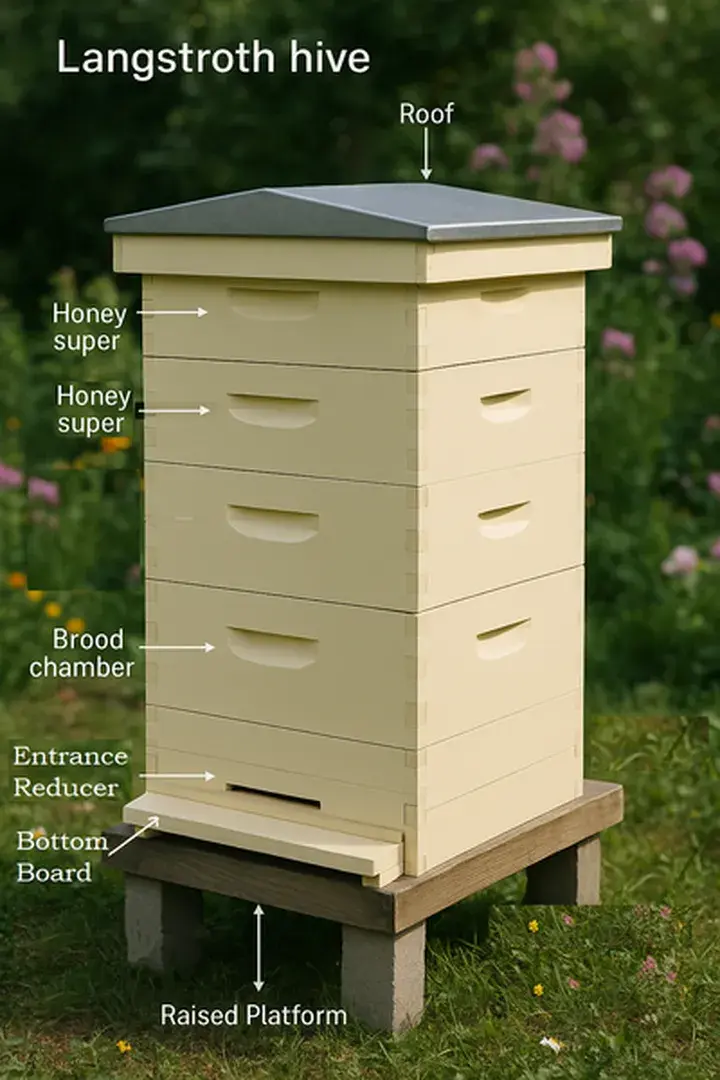
Relocating hives.
Relocating a beehive, even for a hobby beekeeper, is a task that requires careful planning, adherence to specific rules, and a strong emphasis on safety.
Improper relocation can result in lost bees, a stressed or dead colony, or even stings to the beekeeper or others.
Here's how a hobby beekeeper typically relocates their hives, along with basic rules and safety considerations:
Basic Rules for Hive Relocation:
The "Three Feet or Three Miles" Rule (or "The Three-Day Rule"): This is a golden rule in beekeeping for short distances:
Short Distance (within 3 feet / 1 meter): If you're moving the hive a very short distance (e.g., within the same yard to improve spacing or sunlight), you can generally do it in small increments of 1-3 feet per day or every few days. The bees will reorient themselves without much issue.
Long Distance (3 miles / 5 km or more): For distances greater than 3 miles (or roughly 5 kilometres), the bees' internal navigation system resets. When they fly out, they'll reorient to the new location. This is the ideal scenario for a full relocation.
The "Three-Day Rule" (Alternative for Short Distances): If you absolutely must move a hive a short distance (e.g., 50 feet) but less than 3 miles, you can move it all at once, but you need to confuse the bees' orientation.
Preparation: Remove the top honey supers. This is to avoid accidental damage to the honeycombs and honey flowing on top of the bees. You can put the honey super back after the move. Place branches, leaves, or a piece of plywood directly in front of the hive entrance at the new spot.
Bee Behaviour: When the bees emerge, the obstruction will make them pause and reorient. They'll spend more time "marking" the new entrance.
Duration: Leave the obstruction there for at least three days. This forces them to perform an orientation flight at the new location. After three days, you can remove most of the obstruction. This method isn't foolproof, and some bees might still return to the old location.
Timing is Crucial:
Evening/Night: Always move hives in the late evening, after all the foraging bees have returned to the hive, or early in the morning before they start flying. This ensures the entire colony is inside.
Cooler Weather: Cooler temperatures (but not freezing) are preferable, as bees are less active and less prone to overheating during transport. Avoid hot, sunny days.
Optimal Season: Spring or early autumn is generally best, as the colony isn't too large, and there's less risk of extreme heat or cold. Avoid moving during a strong nectar flow (when hives are very heavy and bees are intensely active) or during very cold winter periods (cluster breaks and bees die as a result).
Steps for Relocating a Hive:
Preparation (Day Before/Hours Before):
Close the Entrance: The most critical step. Use a custom-made entrance reducer, a piece of foam, or mesh to seal the hive entrance completely. Ensure it's breathable if the journey is long or it's warm. A screen over the entrance is ideal for ventilation during transport. A ventilated screen on the top and bottom of the hive would be perfect, so air can flow through.
Secure the Hive Components: Use hive straps or ratchet straps to firmly secure all components of the hive together (bottom board, brood boxes, supers, inner cover, and outer cover). This prevents them from shifting or falling apart during transport.
Clear the Landing Board: Remove any debris or props from the landing board.
The Move:
Gloves and Bee Suit: Always wear full protective gear.
Smoker: Have a lit smoker ready. A puff or two at the entrance before sealing can help calm the bees, but use sparingly if sealing the entrance completely.
Lift and Load: With the help of a strong friend (hives can be very heavy), carefully lift the secured hive and place it onto a vehicle.
Vehicle Placement: Place the hive upright in the vehicle. If possible, secure it to prevent sliding or tipping. If transporting multiple hives, ensure they are stable. A pickup truck or trailer is ideal.
Drive Smoothly: Drive as smoothly as possible to minimise jarring the bees.
At the New Location:
Placement: Have the new hive stand or location prepared in advance.
Unload: Carefully unload the hive and place it in its new spot.
Open the Entrance: Immediately open the hive entrance. Do NOT leave it sealed for long, especially if it's warm, as bees can quickly overheat and die.
Water Source: Place a small water feeder or birdbath near the hive for the first few days, as the bees will need to reorient to new water sources. Make the water source have pebbles or sticks that the bees can stand on.
Obstruction (if short move): If you've moved less than 3 miles, place branches/leaves in front of the entrance to force reorientation.
Safety Considerations:
Protective Gear: Always wear a full bee suit, gloves, and a veil. Bees will be agitated during and after the move.
Sting Kit: Have an EpiPen ready if you or anyone assisting has a severe bee allergy. Even if not, have sting treatment (e.g., antihistamines, sting relief cream).
Work with a Partner: Hives are heavy and awkward. Always have at least one other person to help with lifting and moving.
Secure Hive: An unsecured hive that falls apart during transport is a dangerous and messy situation.
Ventilation: Ensure adequate ventilation if the hive entrance is sealed for a long period. Overheating is a major risk. A screen over the entrance is better than a solid plug for longer trips.
Children and Pets: Keep children and pets away from the hive and the moving operation.
Inform Neighbors: If moving within a residential area, it's courteous to inform close neighbors, especially those who might be sensitive to bees.
By following these guidelines, a hobby beekeeper can successfully relocate their hives with minimal stress to the bees and maximum safety for themselves and others. Relocating within a short distance - Video https://youtu.be/_FmahftJzOY?si=zC402JKAq9KoXU7i
Moving hives - Video


Comments