55. Understanding Colony Collapse Disorder:
- Kanna Das
- Jul 14, 2025
- 1 min read

Updated: Feb 5
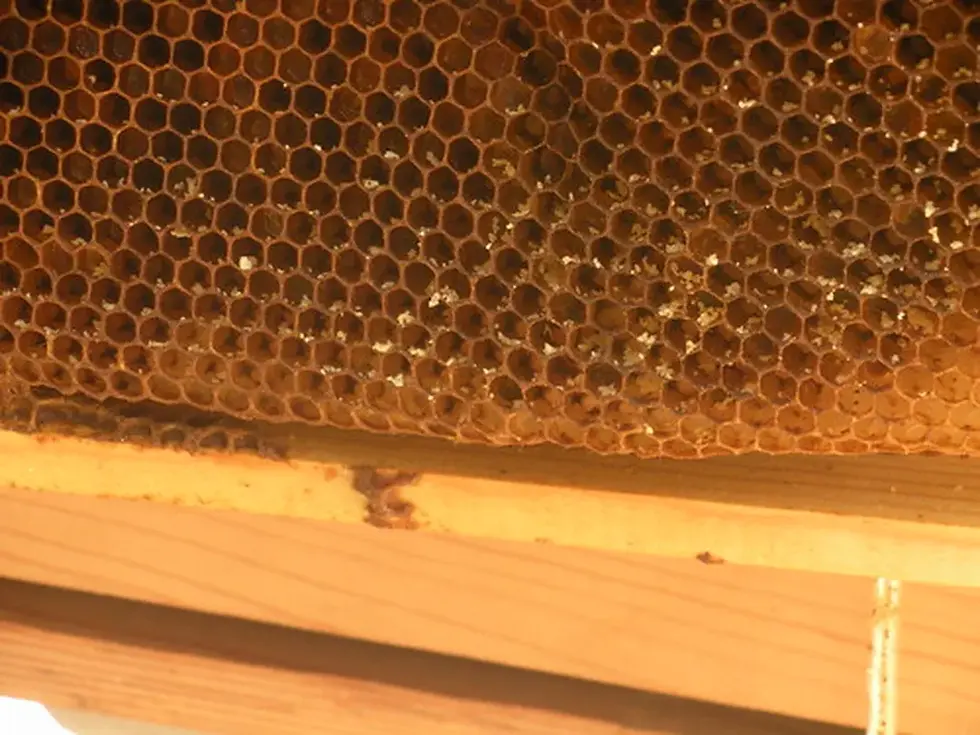
Colony Collapse Disorder (CCD) is a phenomenon where the majority of worker bees in a hive suddenly disappear, leaving behind the queen, food stores, and a few nurse bees to care for the remaining immature bees. This disorder gained widespread attention in the mid-2000s when beekeepers began reporting large, unexplained losses of colonies—sometimes over 30% in a single season.
The exact cause of CCD is still not fully understood, but researchers believe it results from a combination of stressors. These include exposure to pesticides (especially neonicotinoids), poor nutrition due to habitat loss and monoculture farming, parasitic mites (like Varroa destructor), viral and bacterial infections, and migratory beekeeping practices that stress colonies. The synergy between these factors weakens bees’ immune systems, making them more vulnerable to disease and disorientation.
For both hobbyists and commercial beekeepers, prevention involves maintaining strong, healthy colonies through proper hive management. This includes providing diverse forage, minimising chemical use, monitoring for pests and diseases, and avoiding overharvesting of honey. Supporting local ecosystems by planting bee-friendly flowers and advocating for pollinator-friendly policies also contributes to reducing the risks associated with CCD.
Awareness and early intervention are key.
Helpful Video References:
A video report on Colony Collapse Disorder. New York Times. 9.50 min


Comments